SPERRZEIT
as part of bb15
Installation and Performance in public space, 2021
wood, color, 3x4x2 meters
To commemorate their jubilee anniversary in 2022, the University of Natural Resources and Life Sciences (BOKU) focused on the coming 150 years, i.e. they look edahead to the long term. BOKU’s research into sustainability, resource management and the preservation and protection of the environment and our quality of life forms the starting point for the program series Elementarereignisse.
This artistic concept of the bb15 curatorial team, which was realised on BOKU’s anniversary year on behalf of BIG ART, revolves around the concepts of disruption, blockage and disaster. Three temporary artistic interventions will be implemented on the university campus. These elementary events are intended to create irritations within everyday structures, thereby generating attention around BOKU’s socially relevant research interests.
The Sperrzeit intervention developed by the bb15 team is the connecting element and central theme of their overall concept. It is a mobile sculpture based on the prototype of a so-called Stahlschneebrücke (steel snow barrier) used in avalanche protection. At first glance, this element might seem out of place in urban space. However, whilst being performatively carried through the Türkenschanze Campus, this context provides new meaning to the problem of the fragmented campus and inner-city traffic (the ‘metal avalanche’). These processions cross the streets around the university campus, disrupting the urban space for a moment.

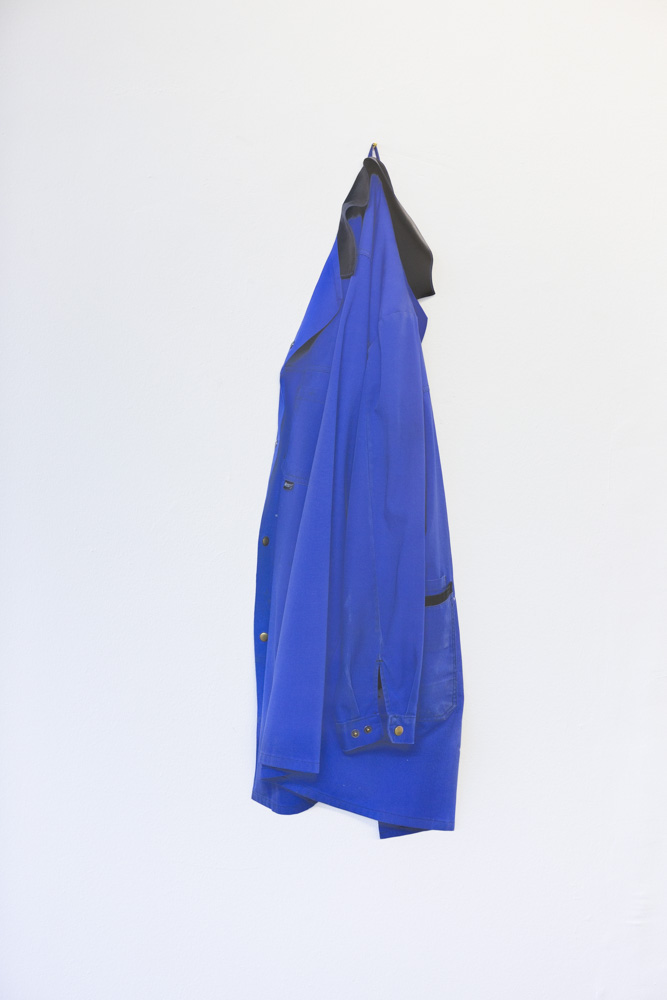
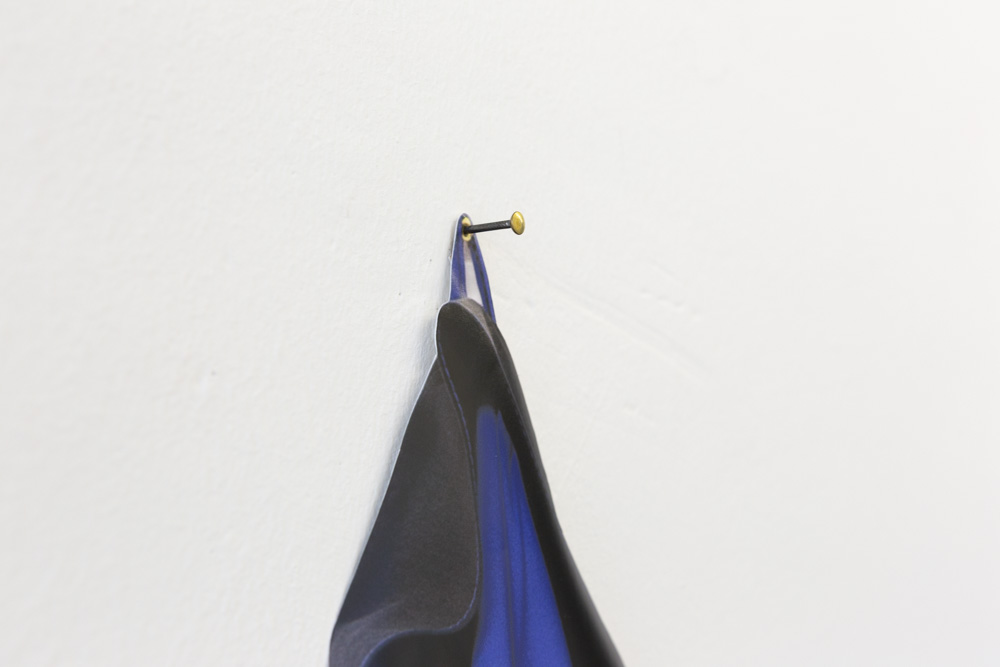
Coat
Digital print Cut Out, 2021
nails, paper object, 110 x 140 cm
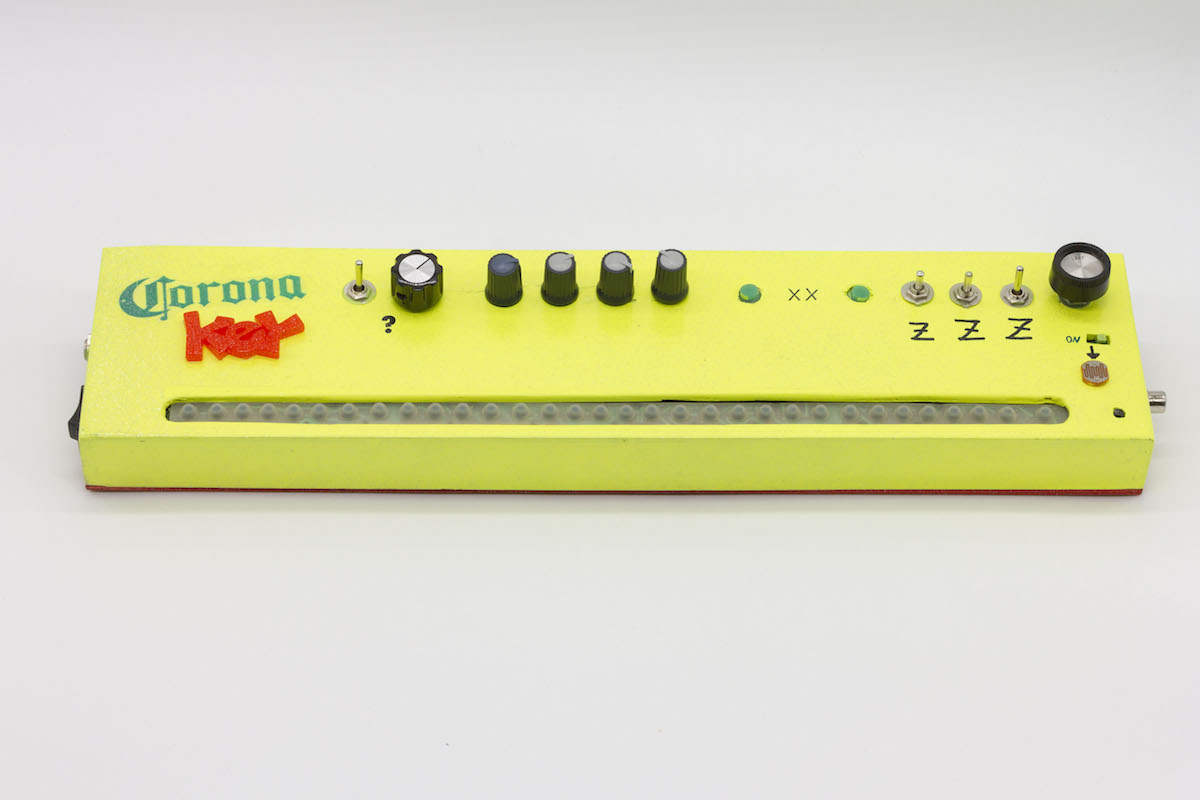
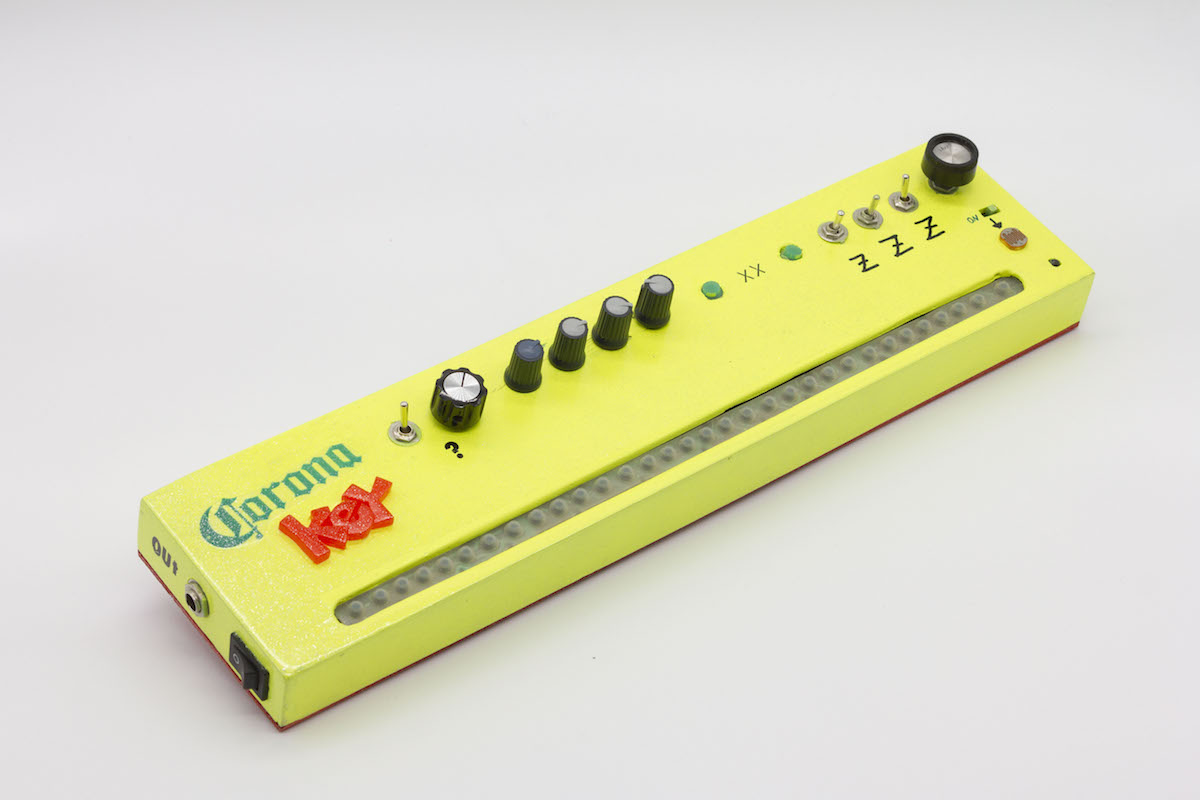
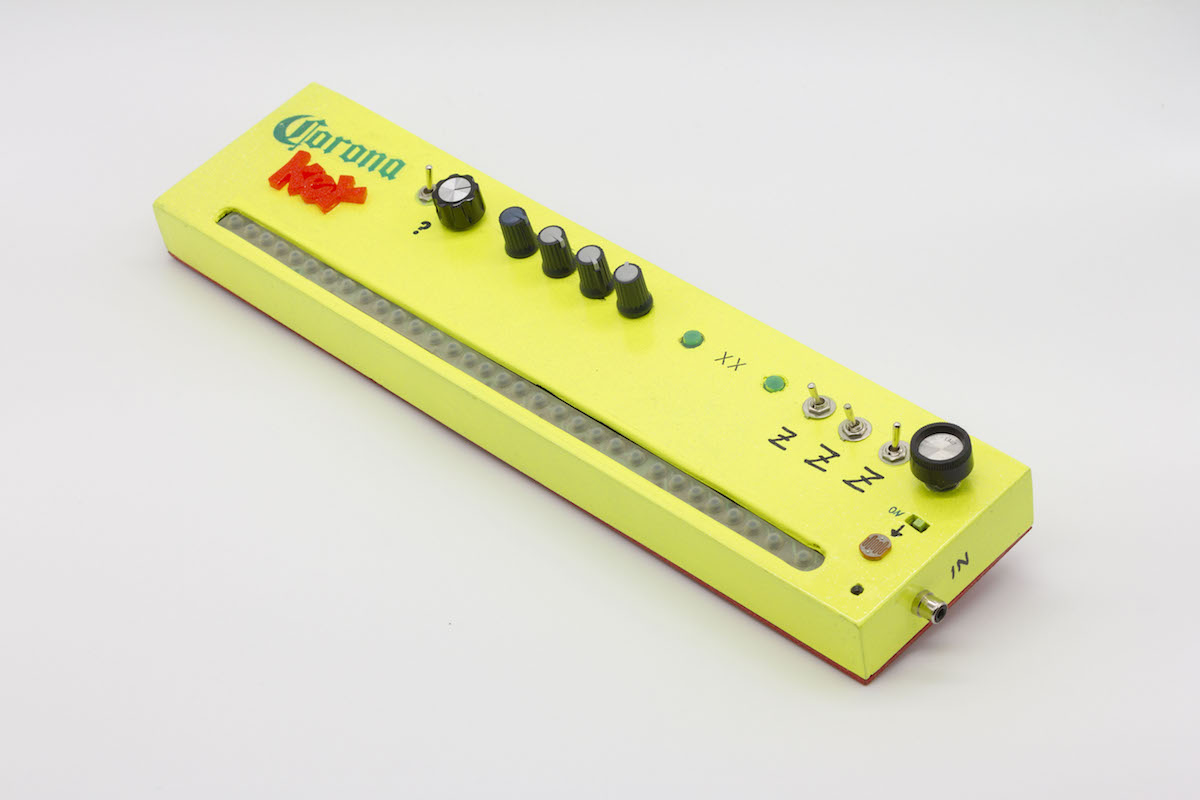
Corona Key
sound object, diy instrument, 2020
mixed media, sound chips
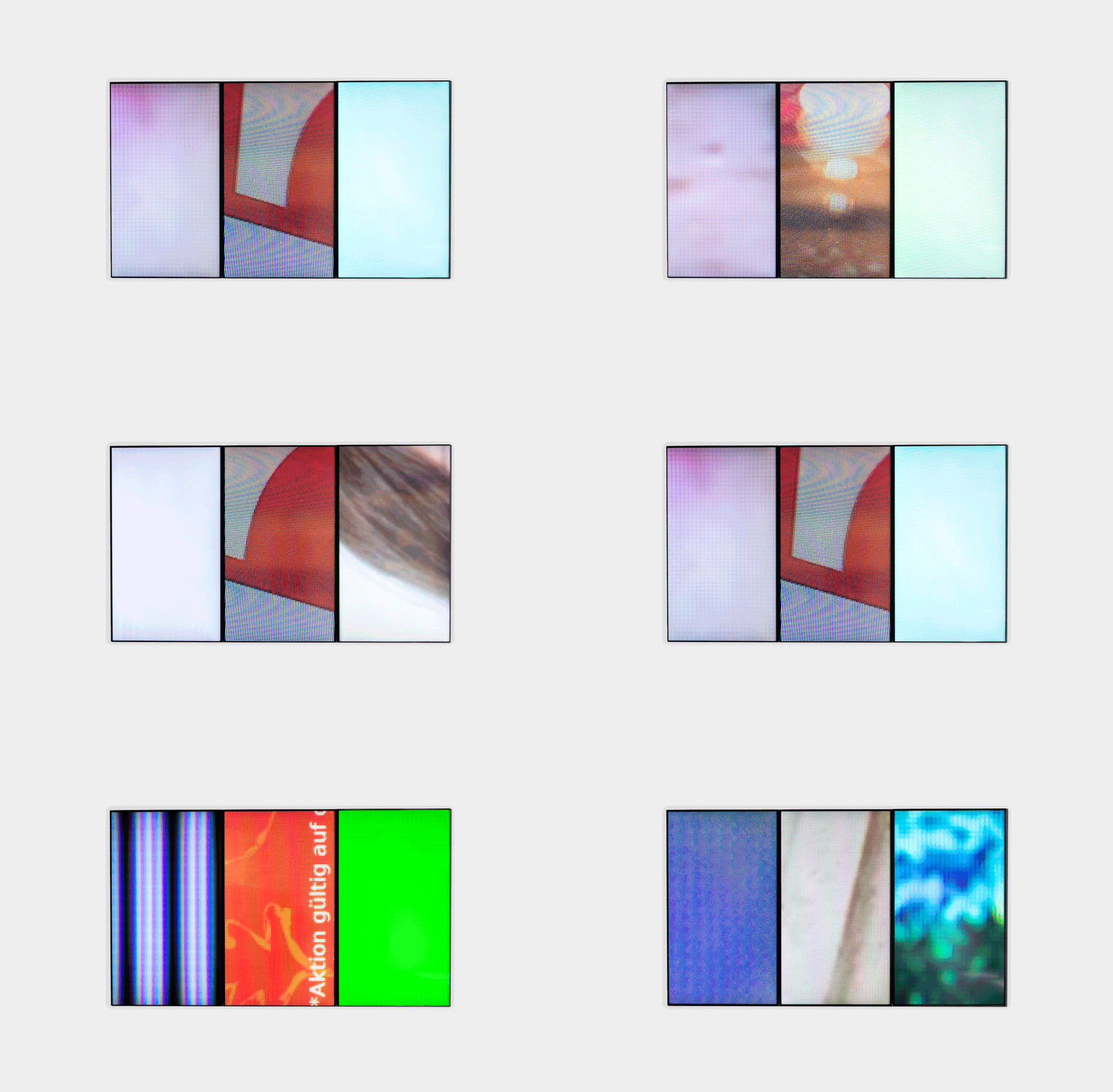
Screens 1–3 (Flag of Advertising)
3 HD video loops, 2020
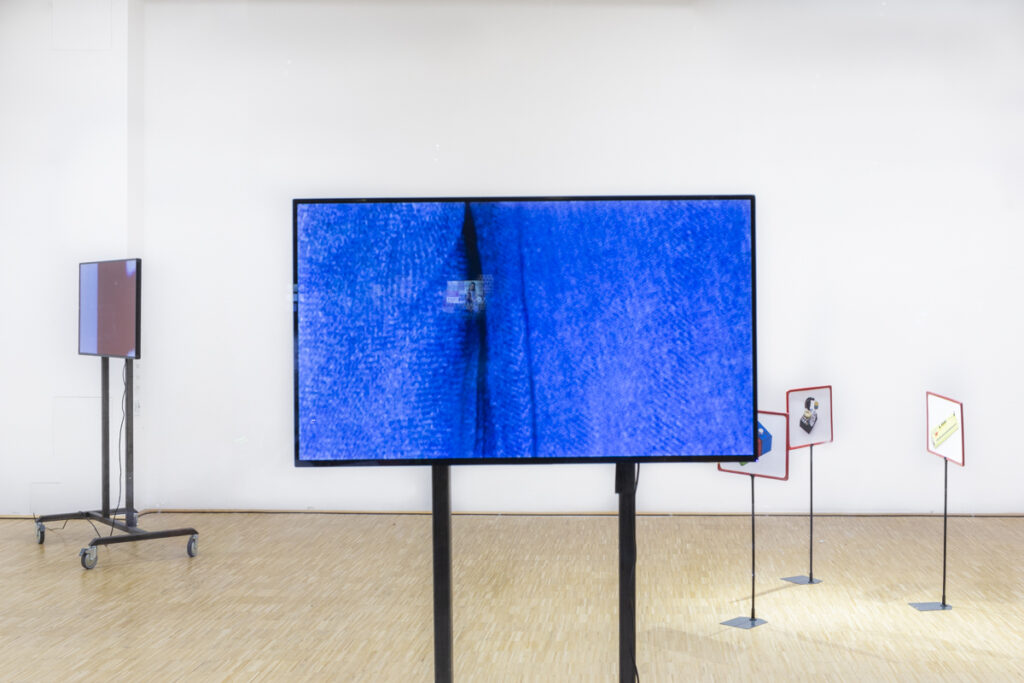
For „Screens 1–3 (Flag of Advertising)“ advertising screens in public space were filmed. Through the fragmentary and detailed presentation of the image content, the messages on the filmed screens are taken ad absurdum and arranged into a new abstract composition.
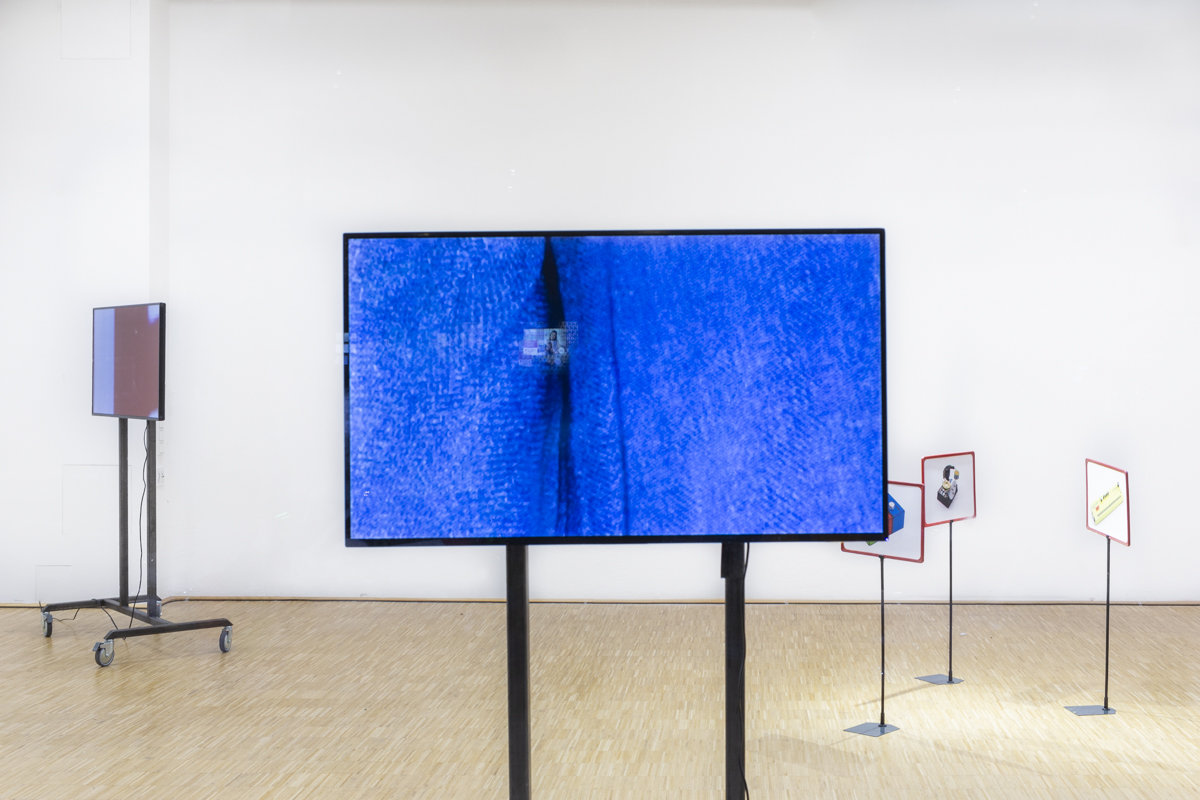
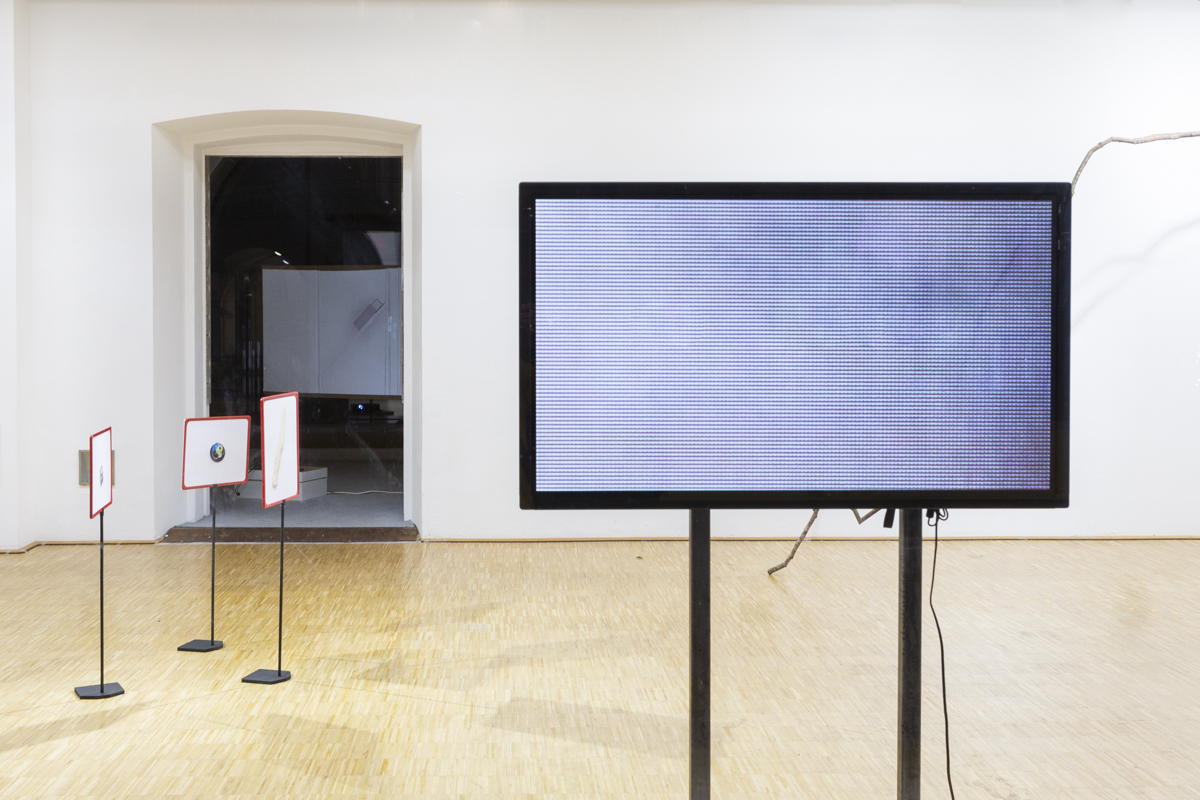
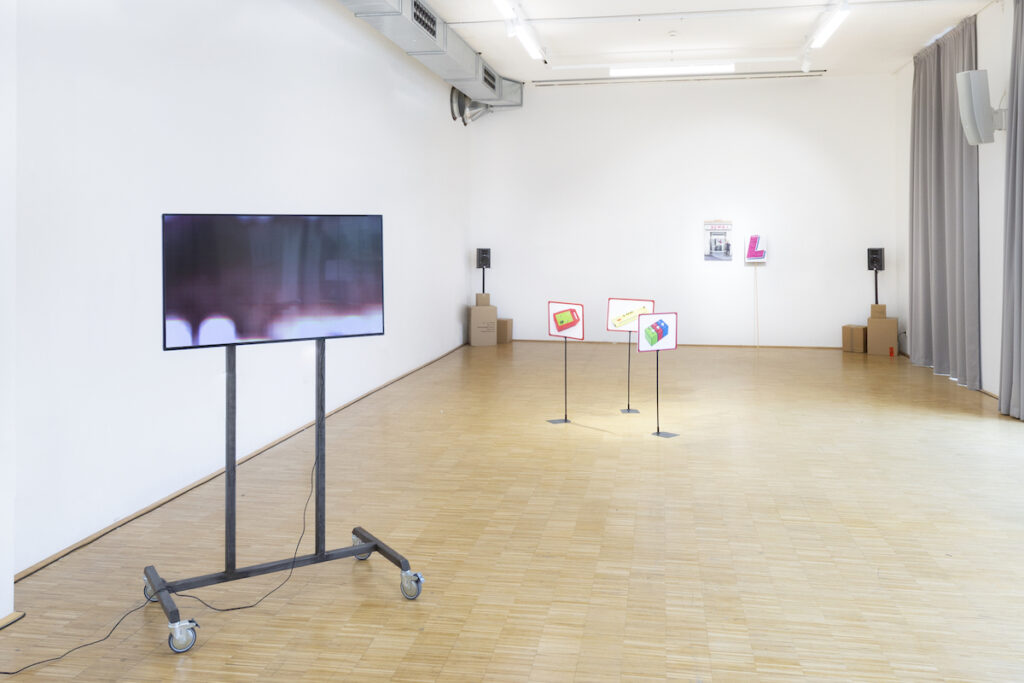
unsought goods
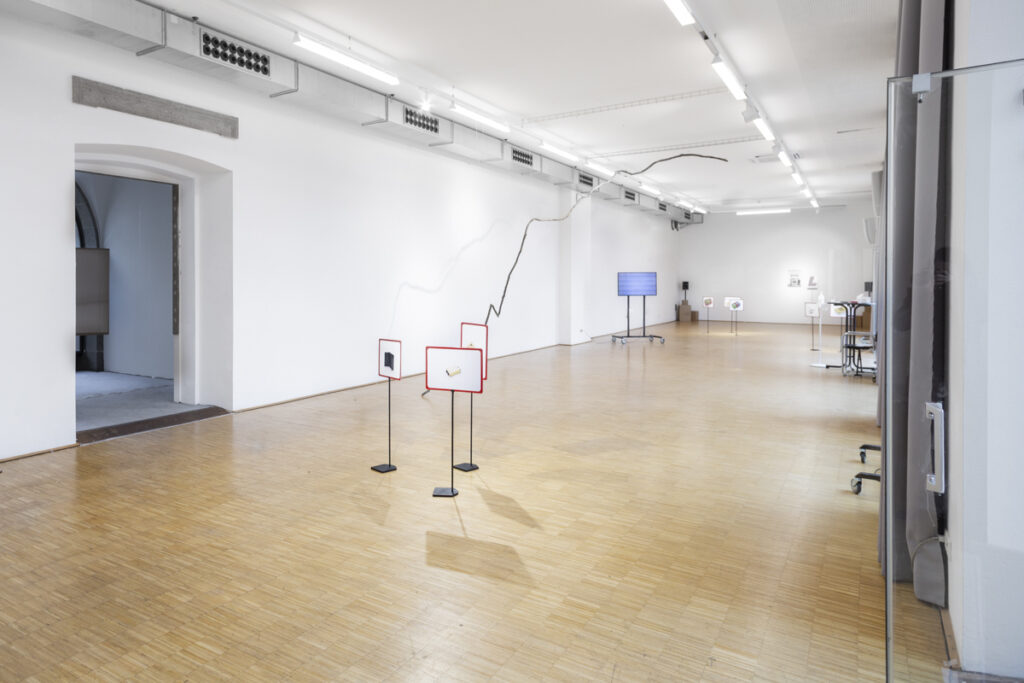
solo exhibition at Splace in Linz/AT, 2020
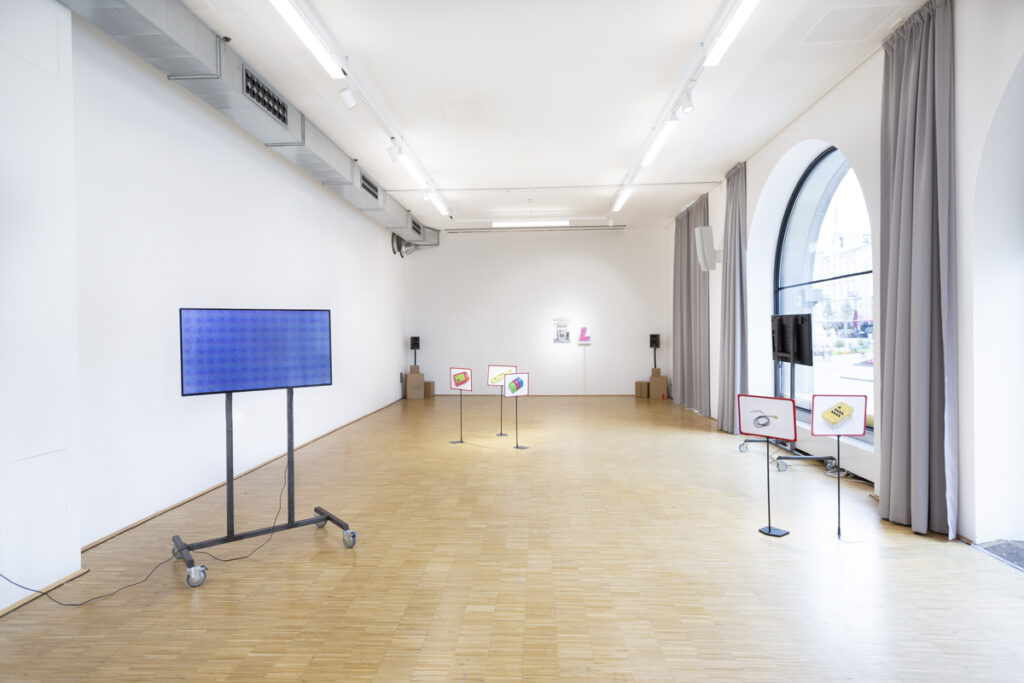
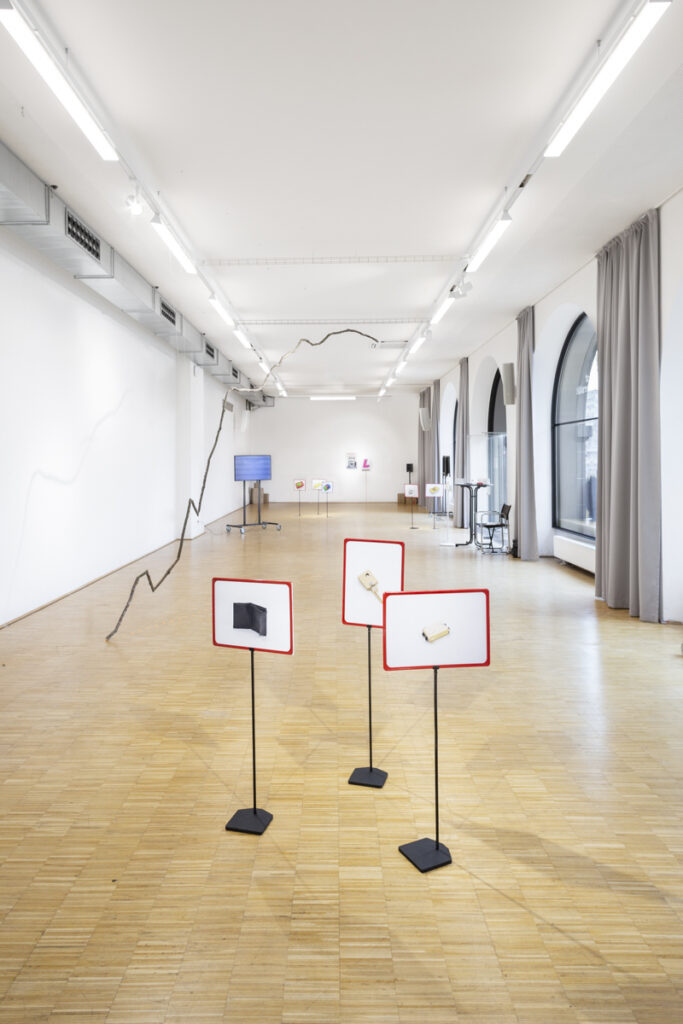
Unsought goods are goods for which there is little interest, as consumers either do not know about their existence or find them annoying and therefore reject them emotionally. In this sense, Sebastian Six examines our consumption-oriented society, using sound, sculpture and video to transform the exhibition space into an absurd shopping world.
The exhibition consisted of the works:
The Customers / 4-channel sound installation, 2020
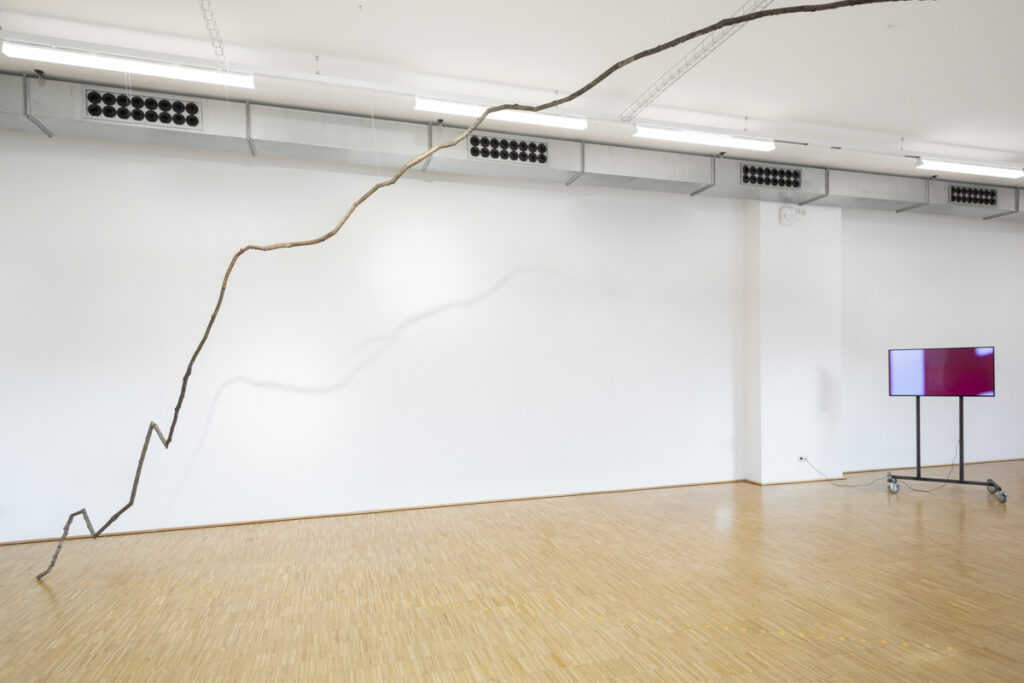
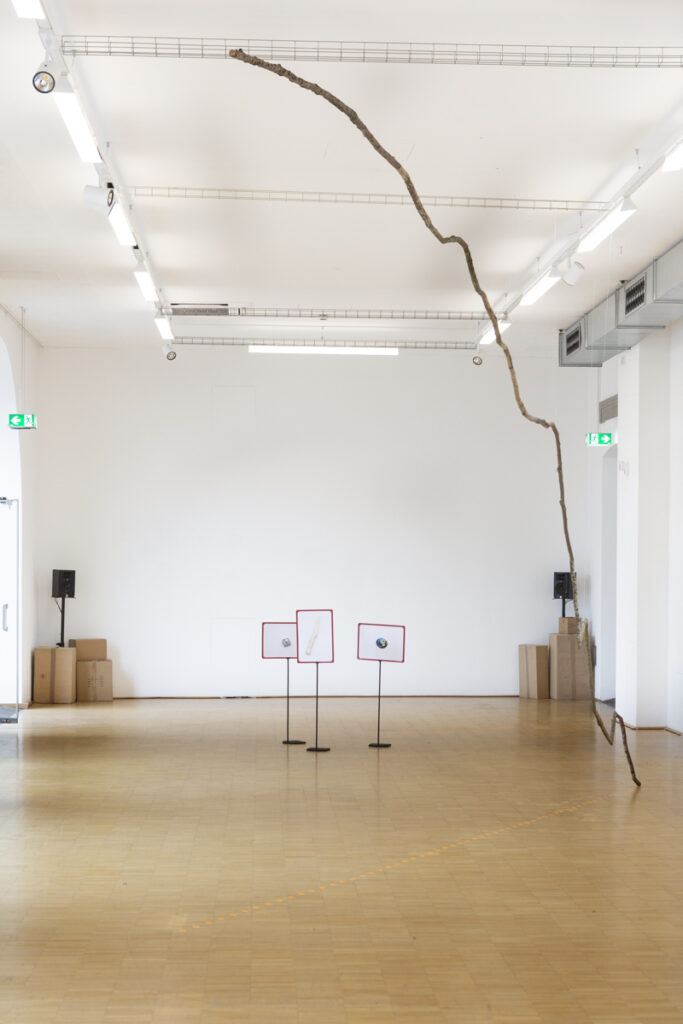
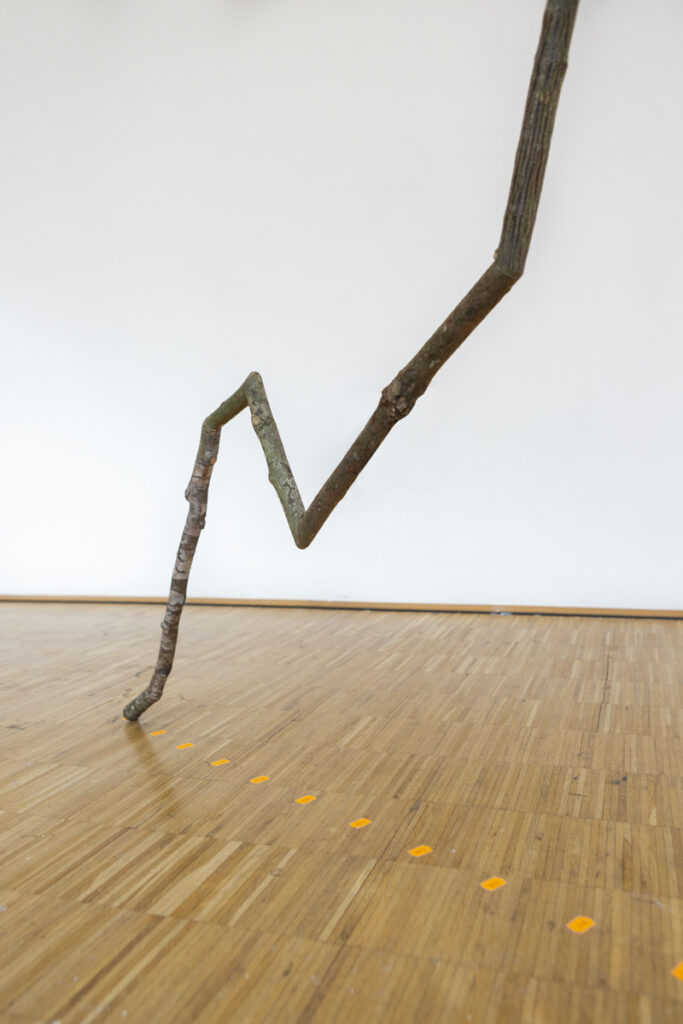
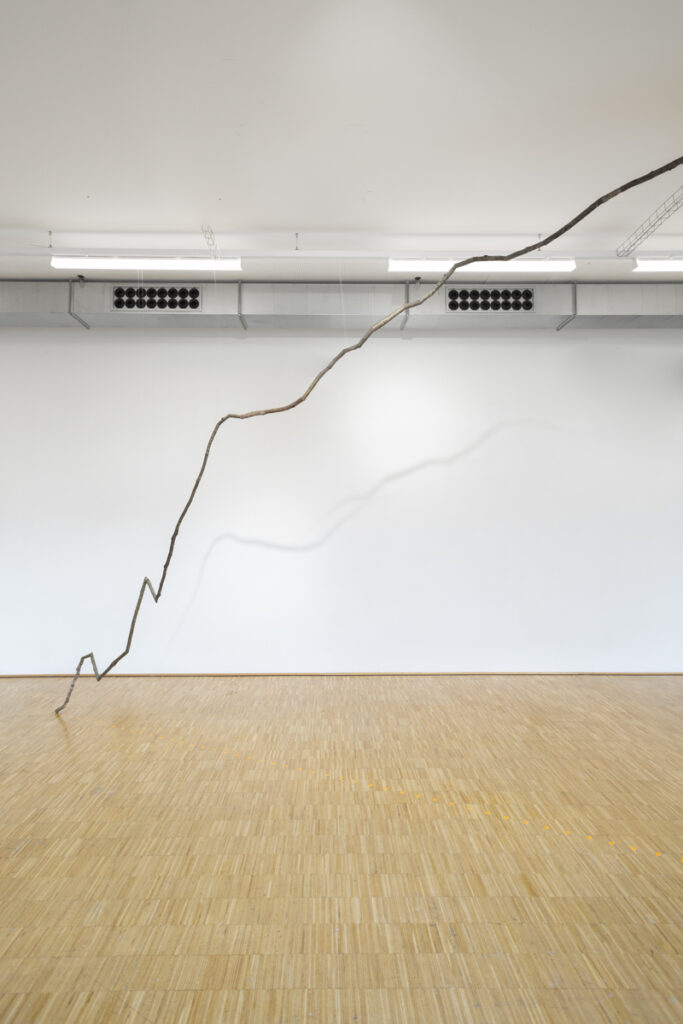
Growth / graph sculpture, 2020
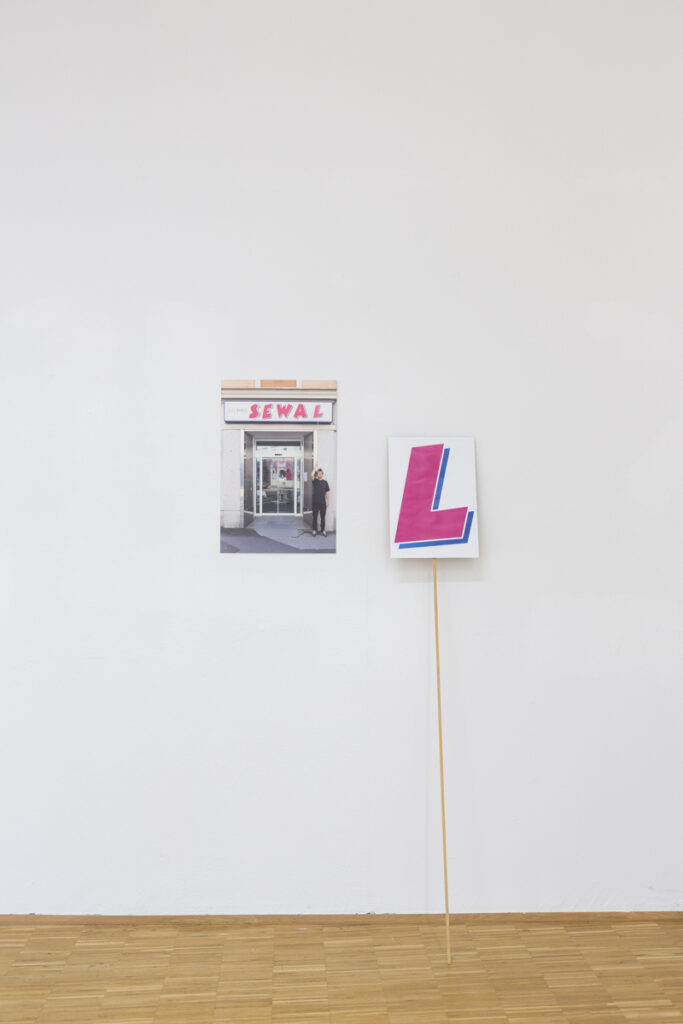
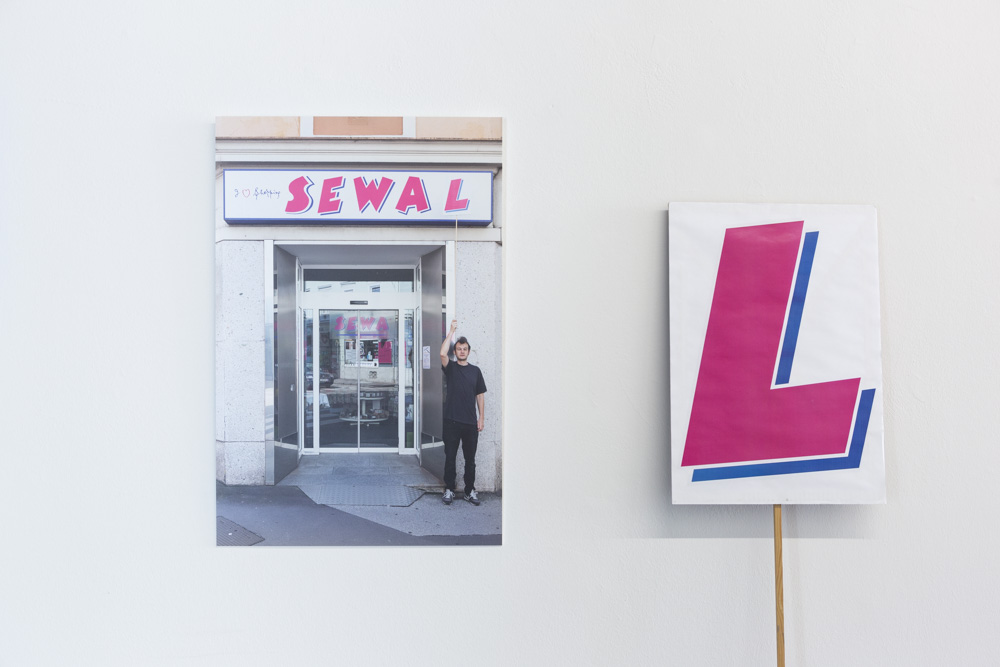
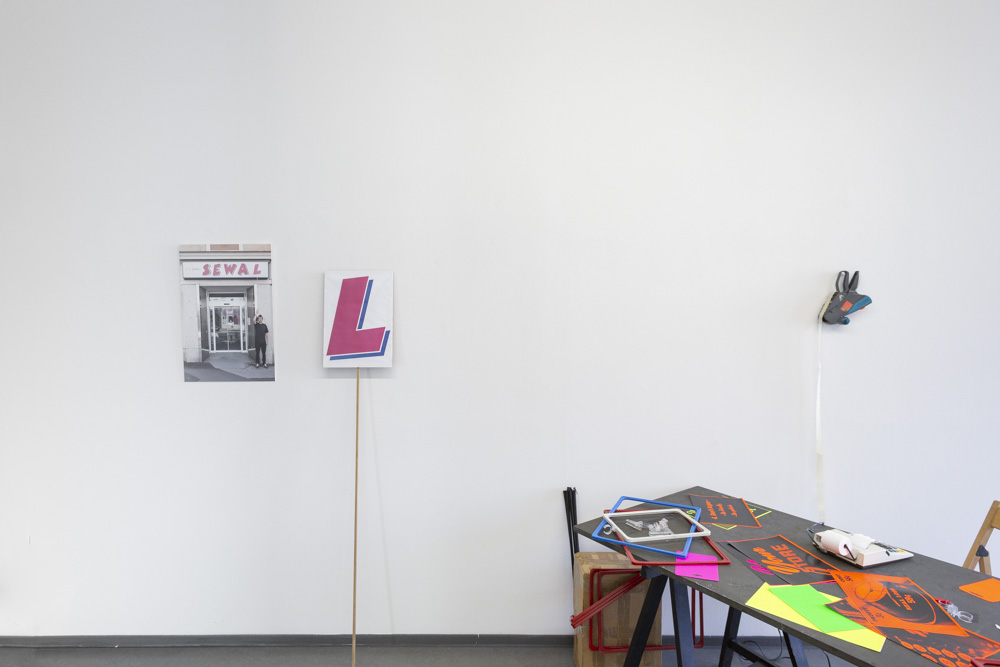
L Love myself / photograph, 2020
Screens 1–3 (Flag of Advertising) / 3 HD video loops, 2020
MY Products / product photographs in poster frames, 2020
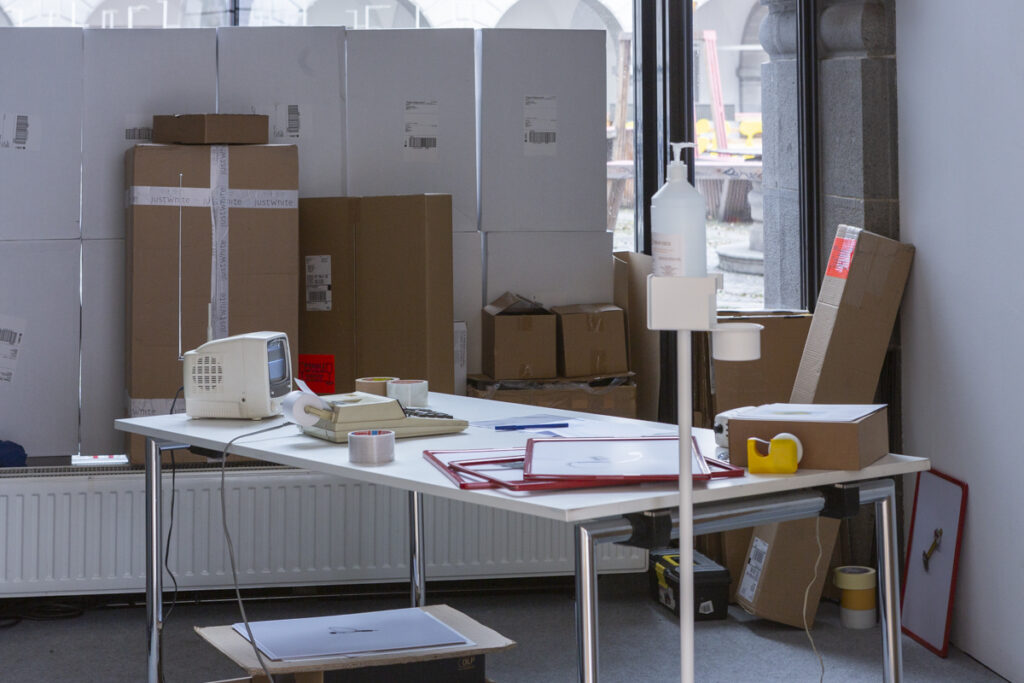
Stock Office / mixed media assemblage, 2020
Shelf-ready packaging / HD video, 2020
L Love myself
performance, photograph, 2020
Digital printing on Forex, A3-sign, wooden stick
Documentation of a performance in public space. In the process, the artist plays with the letters of a local store and his own nickname.
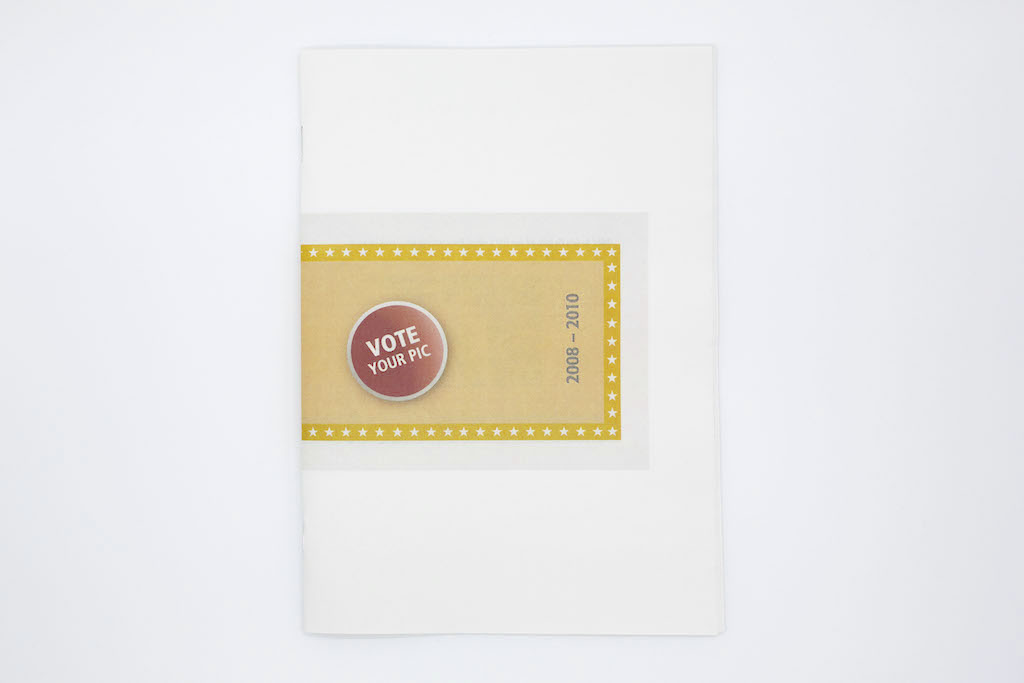
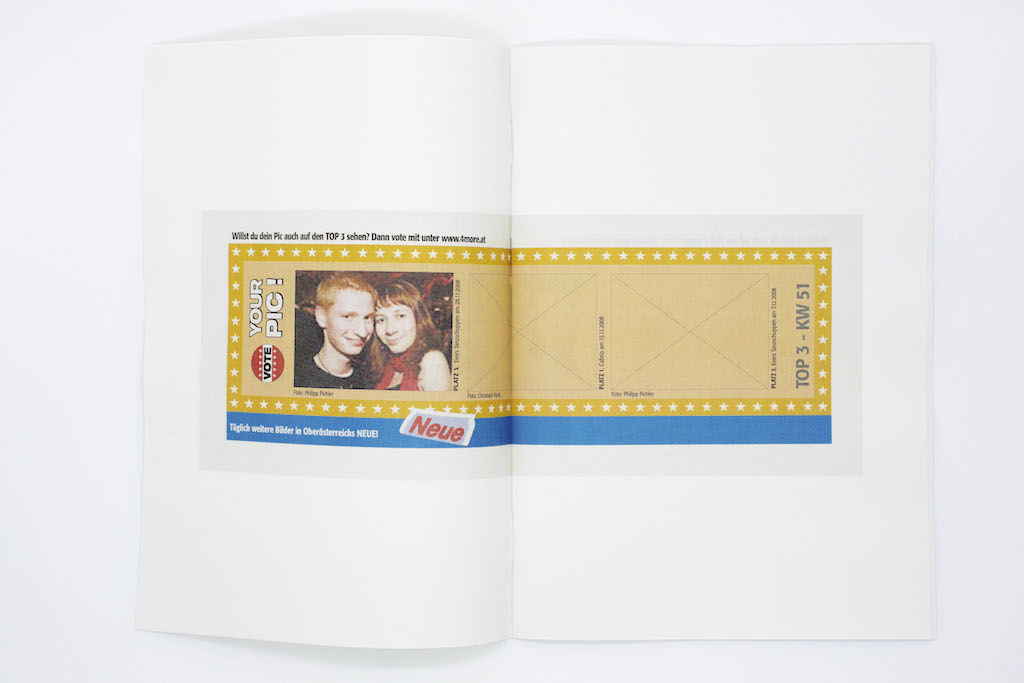
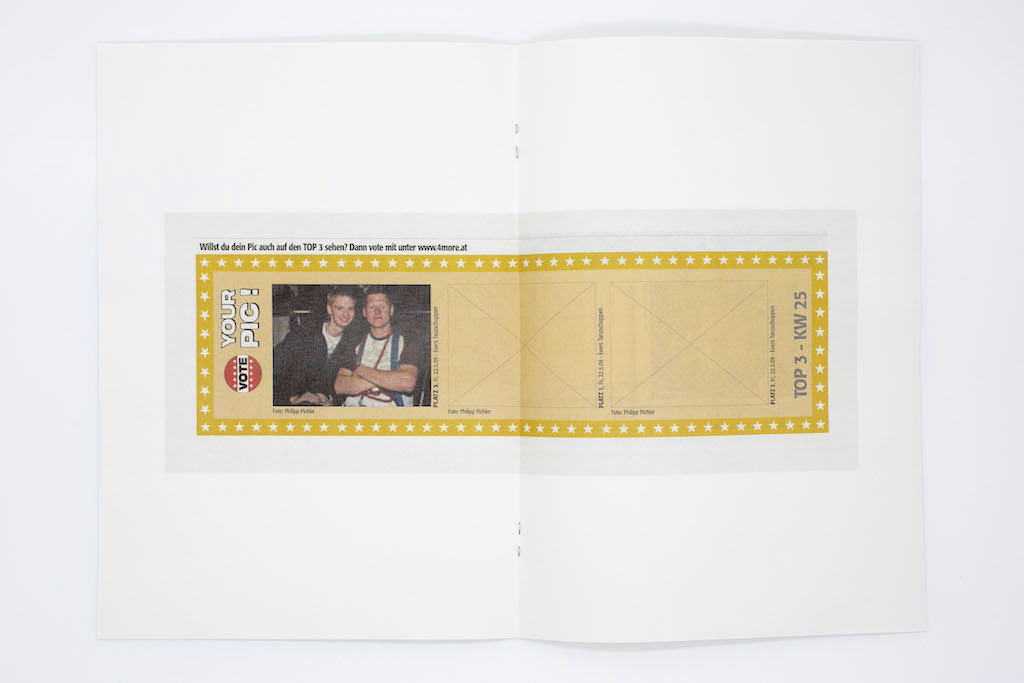
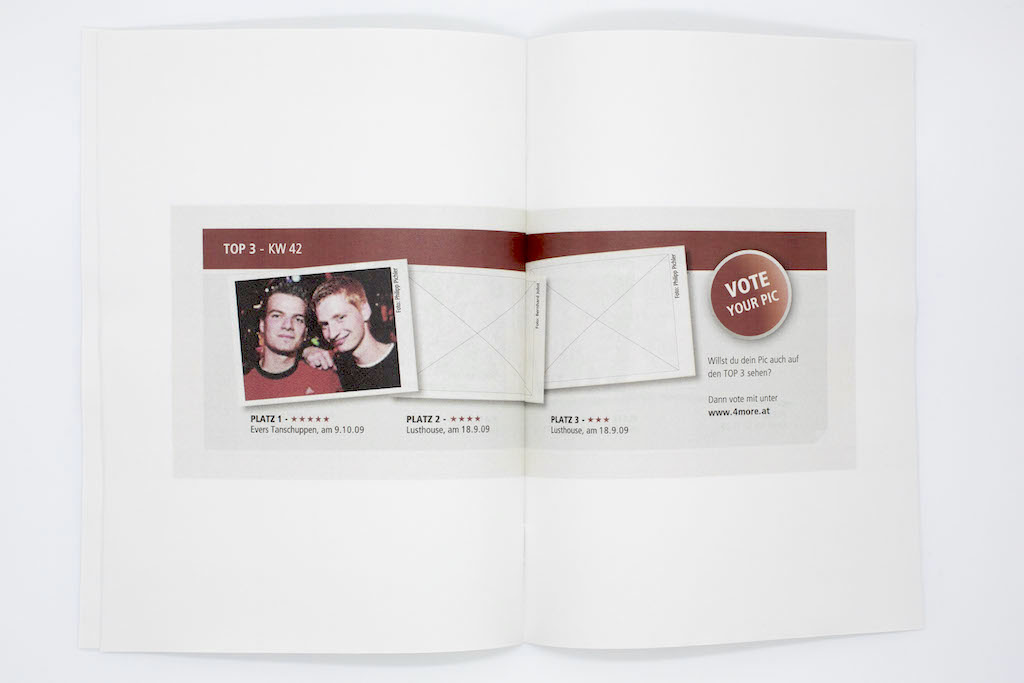
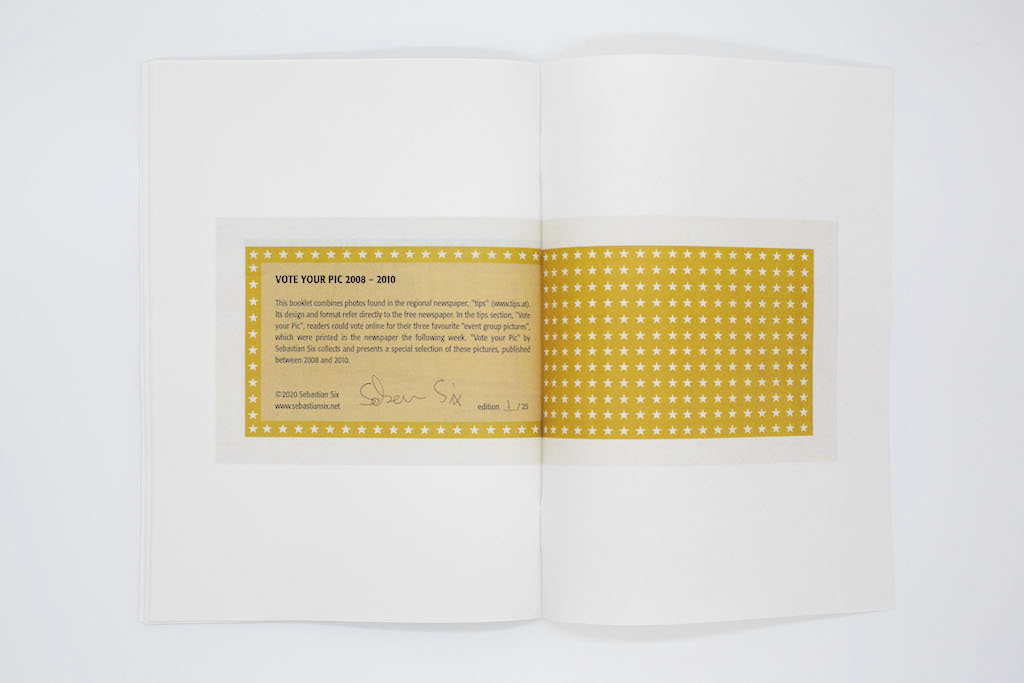
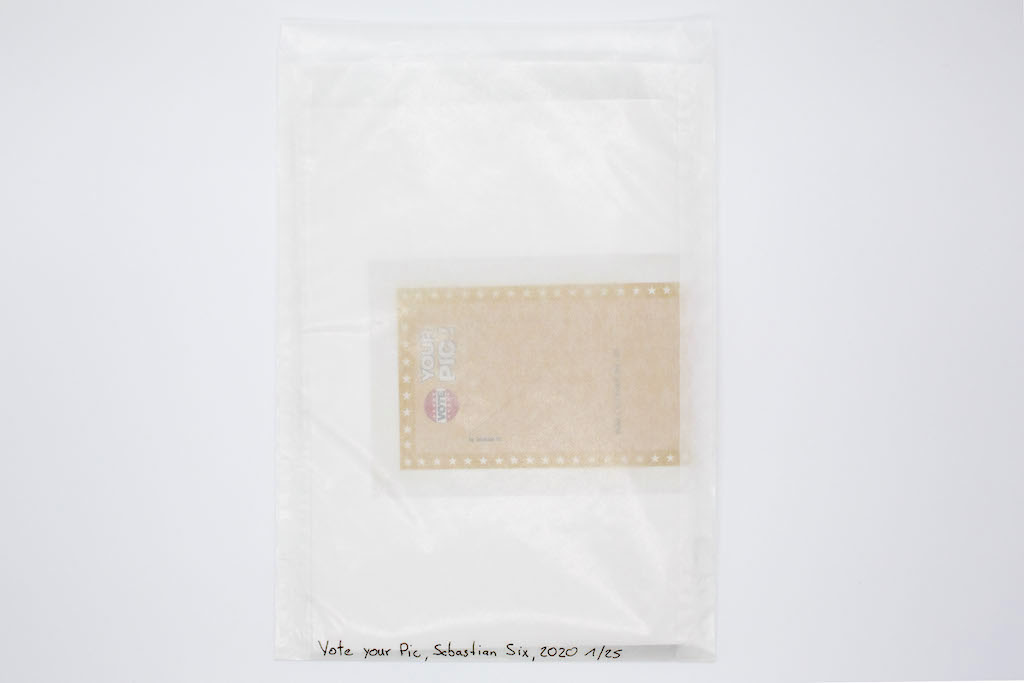
VOTE YOUR PIC
Artist book / Fanzine, 2020
A5, edition of 20
This booklet combines photos from the regional newspaper „tips“ (www.tips.at). The design and format relate directly to the free newspaper. In the „vote your pic“ section, readers could vote online for their three favorite „event group pictures,“ which were printed in the newspaper the following week. The piece presents a special collection of these images, published between 2008 and 2010.
iScream
sound object, diy instrument, 2020
mixed media, icecream-box, electronics
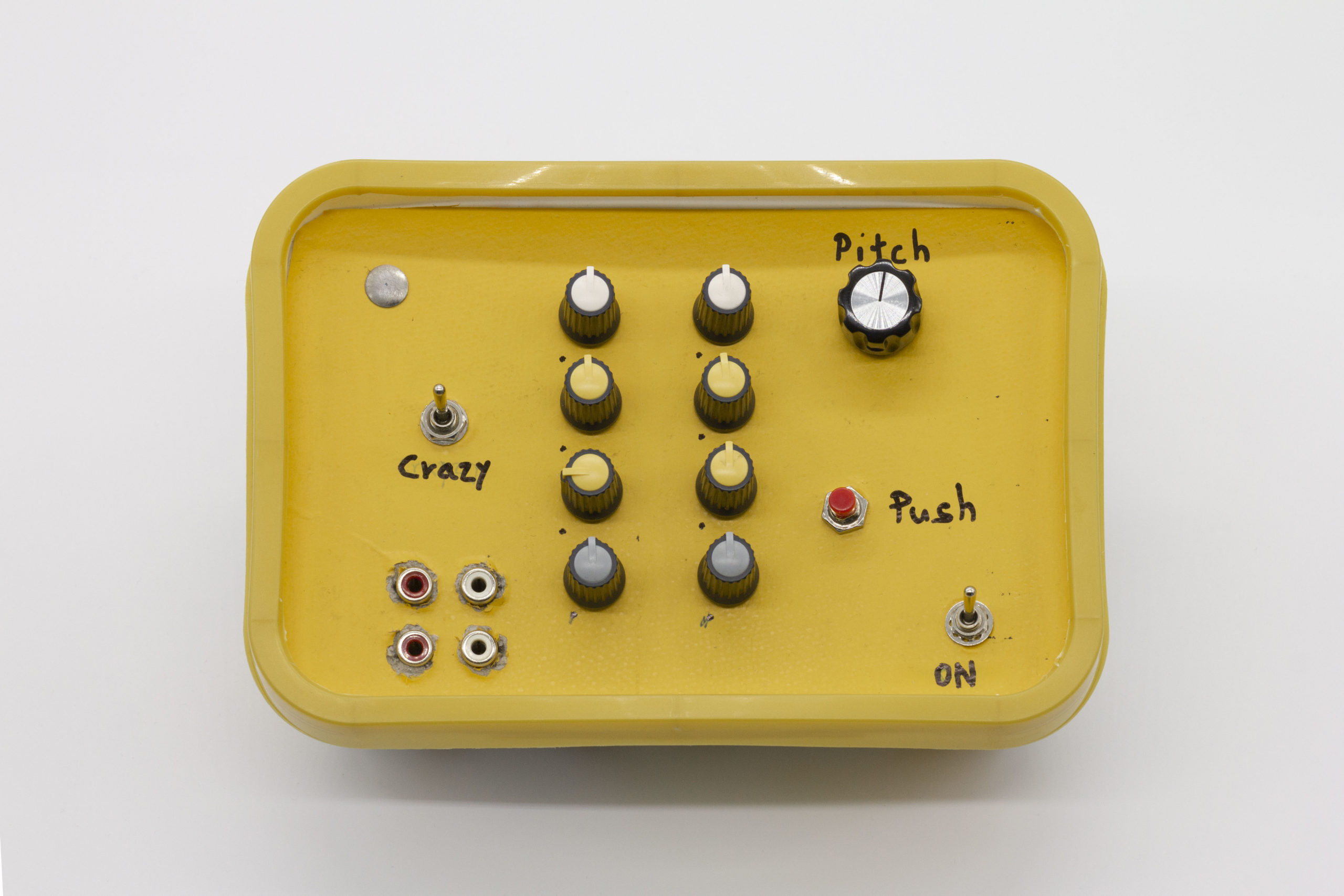

Another circuit bending project. This beauty was build during the Covid 19 lock down in March 2020. Tow toy piano chips are randomly combined there is a build in speaker and a out put jack.
Used as instrument in performances and releases:
Shelf-ready packaging
HD video, 2020
16min, loop, ASMR packaging Sounds
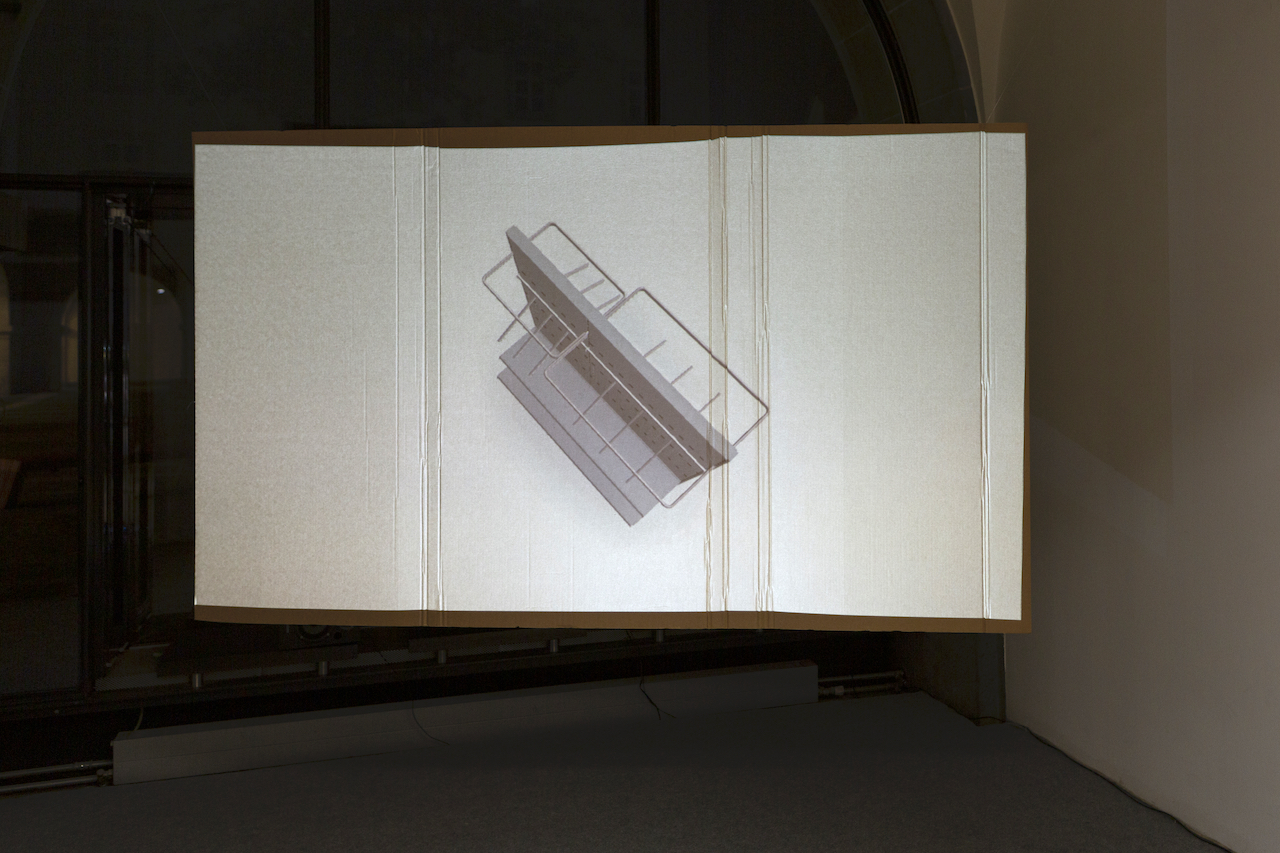
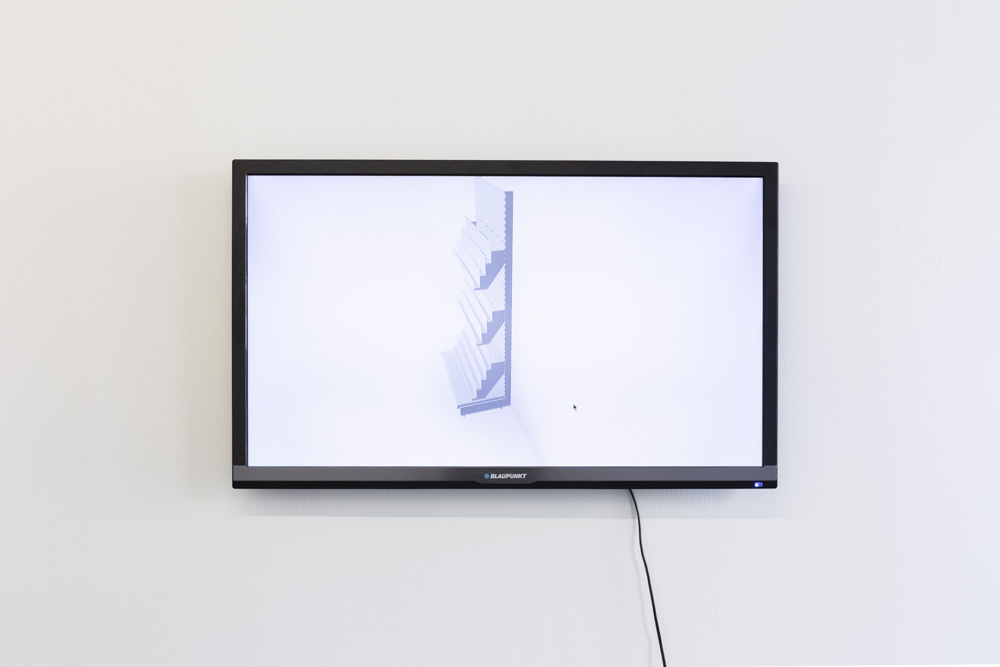
Recordings of a digital „shelf configurator“ were combined with sound recordings of various ASMR packaging videos and projected onto packaging material in the exhibition space.
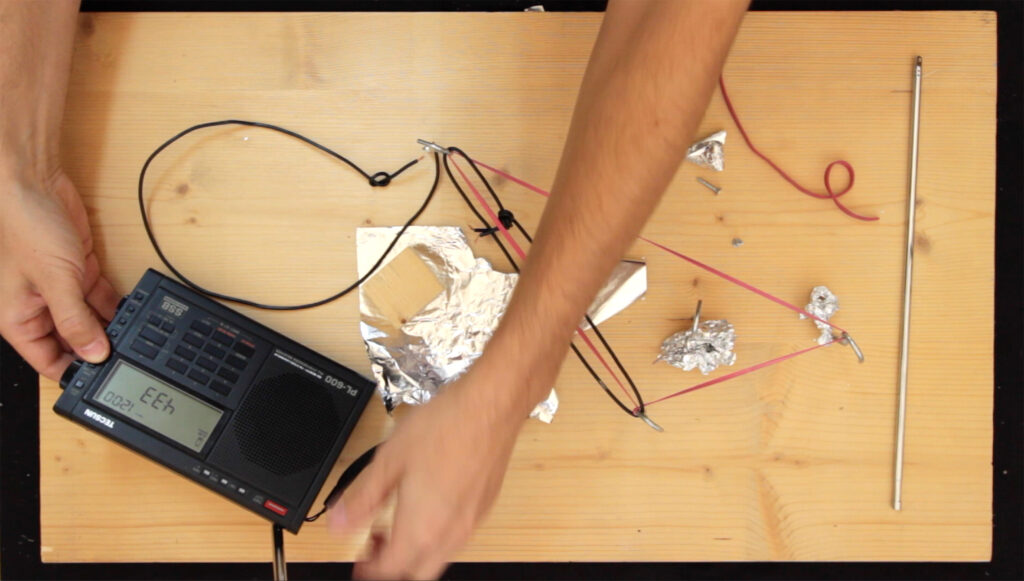
Firedrake (Radio Edit)
as part of FAXEN
radio-piece, 2020
06:15 min, stereo
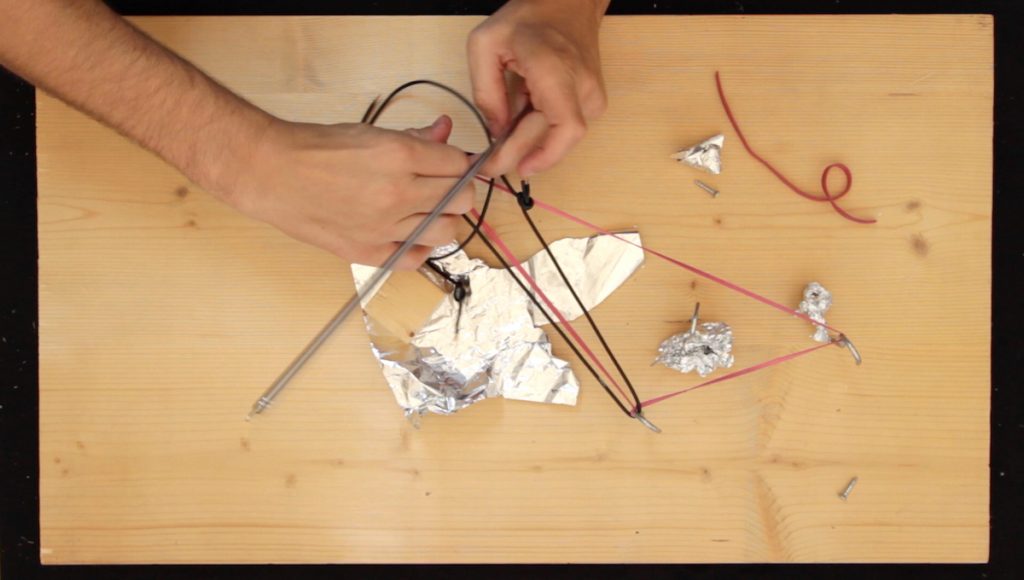
Based on a multi-media installation, Firedrake (radio edit) examines attempts of the Chinese government to censor foreign short wave radio stations (also called jamming) and methods to avoid these interferences by manipulating radios. By constantly playing an one hour long piece of Chinese folk music entitled “Firedrake“, radio stations such as Voice of America, Radio Free Asia and BBC World Service are muted by the Chinese authorities. In order to bypass Chinese jamming DIY adaptations of radios, so called anti-jamming antennas are used. The multiple materials needed for these antennas are the starting point for an acoustic improvisation that can be heard in this piece. In addition, excerpts from an interview on jamming activities of the Chinese government, recordings from shortwave radio stations and the original Chinese Firedrake broadcast are part of this composition.